End of tenancy cleaning in

Our end of tenancy cleaning service is set up to help tenants, landlords and letting agents prepare a property for the next stage with a thorough, room-by-room clean. The aim is simple: remove the accumulated dirt, dust and marks that can be left behind at the end of a tenancy, then leave the home looking orderly and ready for inspection, re-letting or handover. We focus on the practical work that matters most in a final clean, rather than light surface tidying.
Typical work can include detailed kitchen cleaning, bathroom sanitation, skirting boards, internal doors, accessible fixtures, fittings and other commonly handled surfaces. Where needed, we can also include deeper attention to ovens, carpets, upholstery and windows as part of a broader clean, using the service pages available on this site as a guide to the relevant work areas. If you are comparing options, it may help to think in terms of the condition of each room rather than just the overall size of the property.
For a tailored quote, it helps to have a clear picture of the rooms, the level of cleaning required and any extras you want considered. If you are ready to go ahead, you can also review the pricing and quotes page and send a request from there.
What a thorough end of tenancy clean usually covers
A proper end of tenancy clean is more detailed than routine housekeeping. The work usually starts with the surfaces that show the most obvious wear: worktops, cupboard fronts, splashbacks, taps, sinks, bathroom tiles, shower screens and the edges where dust tends to settle. In empty rooms, the cleaning can be more exact because there is better access to corners, behind fittings and around floor edges. That extra reach matters when the aim is to present the property in a condition suitable for inspection.
There is also a difference between visible freshness and the deeper clean that a check-out may demand. Marks around light switches, handprints on doors, residue near handles and grime in bathroom fittings all affect the overall impression. Our approach is to deal with those smaller but noticeable details in a steady, methodical way so the property looks consistently clean rather than only partially refreshed. Consistency across every room is often what makes the biggest difference to the final result.
Areas that often need the most attention
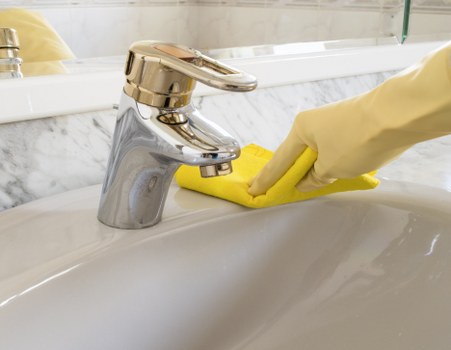
Some areas usually need more work than others, especially in kitchens and bathrooms. Kitchens often involve grease, food splashes and limescale, while bathrooms can need careful attention to soap residue, water marks and fittings that have become dull. Bedrooms and reception rooms may be less demanding, but they still need attention to wardrobes, shelving, skirting and flooring so the whole property feels properly finished. The service is designed to cover those common pressure points in a clear, structured way.
Where a property has been occupied for some time, cleaning requirements can vary a great deal from room to room. One space may only need a detailed dust and wipe-down, while another may need a more intensive clean around built-in units, appliances or hard-to-reach edges. It is often useful to separate the obvious tasks from the less visible ones, because the final appearance depends on both. That is why a full inventory of rooms and surfaces usually gives the most accurate quotation.
We also recognise that some properties need a careful balance between detail and practicality. Not every item in a home needs specialist treatment, but the right surfaces do need the right attention. For example, a cooker that has seen regular use may call for a different approach from a simple wipe of a cupboard door. This is where a focused end of tenancy clean can be more effective than a general domestic clean, because the work is geared to the standard expected at handover.
Kitchen and appliance cleaning
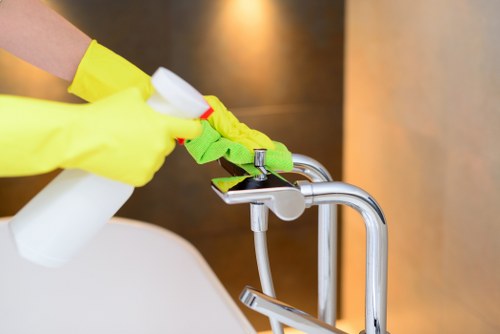
Kitchens usually take the greatest share of effort in a tenancy clean, because they combine food preparation, steam, grease and regular contact. We can clean the accessible areas around ovens, hobs, extractor surrounds, cupboard exteriors, sinks, taps and worktops, along with the usual dust and debris that collects in corners and along edges. The aim is to leave the room feeling well cared for and ready for the next occupant to use without distraction from stubborn surface grime.
If appliance cleaning is needed, it is worth thinking about how much build-up has formed over time. Some kitchens only need a careful wipe and degrease, while others need a more involved oven clean or additional work around splash-prone areas. For that reason, we encourage customers to be clear about what is included in the property and what condition it is in. A simple description of the kitchen layout and appliances often makes the quotation process much smoother.
Bathrooms, washing areas and sanitary fittings
Bathrooms benefit from a detailed clean because limescale, soap film and moisture marks can build up on fittings and surfaces that are used every day. We can clean sinks, toilets, baths, showers, taps, tiles and surrounding surfaces, paying attention to the areas that tend to show the most wear. In many homes, this is one of the most noticeable rooms during a final inspection, so a careful result is especially important.
Where there are en-suites, utility rooms or separate WCs, these spaces are usually treated as part of the overall clean rather than as afterthoughts. Even small rooms can affect the impression of the property if they are not finished properly. It is also helpful to check access to any awkward corners, boxed pipework or fixed fittings, as these can influence the time and method needed. A thorough clean should leave the space looking tidy, fresh and ready for use.
Bathroom and kitchen work often shape the whole handover impression, which is why these rooms are usually prioritised early in the clean. Once the high-use areas are dealt with, the rest of the property can be finished in a more balanced way, from living spaces to hallways and internal doors. If you are planning ahead, you may prefer to arrange the work after removals are complete so every surface is easier to reach.
Flooring, soft furnishings and finishing touches

Flooring and soft furnishings can make a surprising difference to the overall condition of a rental property. Hard floors often need sweeping, mopping or targeted cleaning around skirting and corners, while carpets and rugs may need more specialised treatment depending on their material and the level of soiling. Upholstered items can also gather dust and everyday marks, so their condition should be considered alongside the rest of the room rather than as a separate afterthought.
We provide related cleaning options for customers who need more than a standard wipe-down. If a room contains carpets, the carpet cleaning page explains the service area, while the sofa cleaning and upholstery cleaning pages cover fabric surfaces that may benefit from more detailed attention. These services can be useful where the condition of textiles affects the overall final presentation of the property.
Finishing touches matter because they bring the room together after the more obvious cleaning tasks are complete. That can include dust removal from edges, cleaning around fittings, and making sure high-contact areas do not have a patchy appearance. A property looks more complete when the small details match the work done in the main rooms, so a careful end of tenancy clean should always leave time for those last checks.
Rooms, access and quotation details

To prepare an accurate quotation, it is useful to describe the property clearly and note any items that need special attention. A full list of rooms, whether the property is furnished or unfurnished, and whether the kitchen contains built-in appliances can all help shape the scope of the work. If there are areas with heavier use, such as stubborn marks, limescale or heavier grease, mentioning them in advance allows the clean to be planned properly rather than guessed at.
It can also help to say whether the property is empty, whether keys will be available, and whether parking or access is straightforward. Those practical details affect the smooth running of the visit and reduce the chance of avoidable delays. If you are comparing services, it is worth choosing a cleaner whose quotation process is based on the actual condition of the property rather than on a vague room count alone. That produces a more reliable figure and a more realistic plan for the work.
For a straightforward request, you can contact us with the property details or use the end of tenancy cleaning page to begin the conversation. If you are still comparing options, the about us page gives more background on the company, while the quotation page remains the best place to start when you want a clear price discussion.
Supporting services for a fuller handover clean
Some end of tenancy jobs work best when combined with related cleaning tasks that target specific surfaces. If the property has prominent glass, the window cleaning page covers that area. Where hard flooring needs extra care, the hard floor cleaning page may be relevant. And if you have a property that has just been renovated or altered, the after builders cleaning page may be a better fit for dust, debris and post-works residue.
These services are not always required, but they can be useful when the property presents a mix of cleaning needs rather than a single obvious task. For instance, a flat with carpets, glazed doors and a tiled kitchen may benefit from several targeted treatments alongside the main tenancy clean. That is often more efficient than trying to force every surface into one narrow category, because the work can be matched more closely to the material and the level of dirt present.
If you want to refine the specification before asking for a quotation, the site also includes pages for deep cleaning and one-off cleaning. These can help you decide whether you need a tenancy handover clean, a broader refresh or a more focused service for particular rooms. The better the match between the property and the service, the easier it is to agree a sensible scope of work.
About Endoftenancy Cleaning
Endoftenancy Cleaning is a place name that points to a service-led business identity rather than a geographic district, so there is no separate local area profile to present here. The main value for customers is the service itself: a practical end of tenancy clean that focuses on the condition of the property at handover. In that sense, the name is descriptive of the work and the purpose, making the service easier to recognise when comparing cleaning options. A customer looking at the website would usually want to know which rooms are covered, how detailed the clean will be and how to ask for a quotation. Those are the questions this site can answer directly. The term itself also signals an emphasis on move-out cleaning rather than routine upkeep, which is useful because those two jobs are not always interchangeable. A handover clean normally needs greater attention to neglected edges, internal surfaces, fittings and visible marks that would be less significant in ordinary domestic maintenance. That difference matters to tenants preparing to leave a property, as well as landlords and agents checking how ready a space is for its next occupant. Because the name does not identify a town, borough or neighbourhood, there is no reliable area history to add, and the content is better kept focused on the cleaning service and the practical steps involved in arranging it.
Choosing the right level of tenancy cleaning
The best level of cleaning depends on how the property is presented and what condition it is in at the end of the tenancy. Some homes only need a careful final clean across the usual high-touch areas, while others require a more intensive approach that covers built-up grime, kitchen grease, bathroom residue and more detailed surface work. A good quotation should reflect those differences rather than treating every property as identical. That is especially important when furniture, carpets or appliances remain in place.
Where there are several surfaces involved, it helps to look at the property as a whole. The kitchen may need one level of treatment, the bathroom another, and the rest of the rooms something in between. Matching the work to the actual condition is better than over-specifying or under-specifying the clean. It also gives you a cleaner comparison between service options, because you can see exactly which parts of the property are included in the plan. If you are unsure what to request, a clear room list is often the most practical starting point.
To move things forward, use the quotation page or send the property details through the contact page. If you want the main service again in one place, the end of tenancy cleaning page remains the clearest starting point for a handover-focused clean.
How we organise the clean from room to room
When a property is cleaned for the end of a tenancy, the sequence matters as much as the individual tasks. It is usually more efficient to begin with the areas that collect the heaviest residue, then move through the rest of the home in a measured order so dust and debris are not moved back onto already finished surfaces. That approach helps the work stay consistent, especially in homes with several rooms or mixed flooring. It also reduces the chance that a final touch point will be missed because the clean was done too casually.
Good organisation can also help when there are multiple people involved in moving out. Empty rooms, packed belongings and limited access to cupboards or storage spaces can make the job more awkward, so it is sensible to complete the clean when the property is as clear as possible. If a room still contains items, make a note of that in advance so the quotation reflects the actual working conditions. That allows us to plan the service realistically and avoid assumptions about the level of access available.
For customers who want to explore other relevant services, the site also includes domestic cleaning and house cleaning pages. These are useful for understanding the difference between regular upkeep and a final tenancy clean, particularly if you are deciding whether your property needs a one-off treatment or a more routine arrangement after move-out.
Service choices for landlords and agents
Landlords and letting agents often need a tenancy clean that is easy to specify and easy to review. The main priorities are usually hygiene, presentation and a clear finish across the rooms that will be checked first. A well-planned clean can help remove the signs of everyday occupation, making the property easier to assess before new occupants move in. That said, the exact scope still depends on the property itself, so a good description remains essential for an accurate quotation.
Where the property is part-furnished or includes built-in features, the clean may need to be adjusted accordingly. Cupboards, shelving, appliances and fixtures can all add time and detail to the job. It is therefore sensible to highlight the items that need cleaning rather than assuming everything follows a standard pattern. If there are areas that should be included only if the budget allows, say so in the request; that makes it easier to prioritise the most important tasks first.
For broader operational information, the cleaning company and cleaners pages can help you understand how the business presents its services, while the health and safety policy and insurance and safety pages provide background on important operational topics. Those pages are helpful when you want a fuller picture before arranging work.
Final checks before you request a quote
The easiest way to request an accurate quotation is to gather the practical information that affects the clean. A clear room count, any added services such as oven or carpet cleaning, and a note of the property’s general condition are usually enough to start with. If the property is especially large, has unusual layouts or contains delicate surfaces, those details are worth mentioning too. The more specific the brief, the easier it is to give a quote that matches the actual work.
It is also helpful to think about timing. End of tenancy cleaning is often best arranged once removals are done and all accessible surfaces can be reached properly. If you have a preferred date in mind, say that when you enquire, but keep the brief focused on the property rather than on assumptions about how long the job will take. That keeps the conversation practical and avoids overcomplicating the initial request. A clear, concise enquiry usually gets the best response.
If you are ready to proceed, send the details now and ask for a quotation. You can start with the contact us page or revisit the pricing and quotes section for the most direct route to a tailored figure.